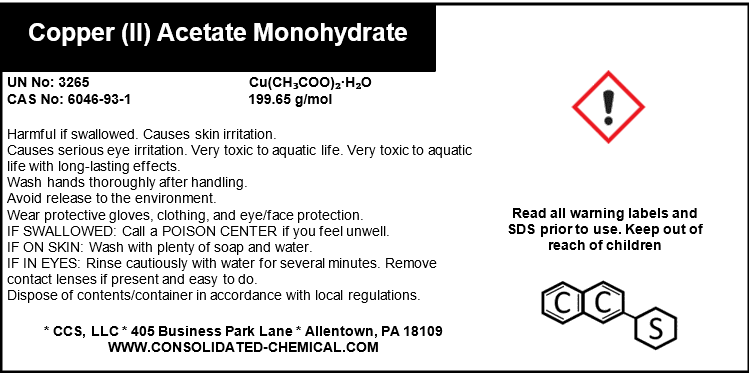
Copper (II) Acetate Monohydrate
Price range: $19.99 through $45.00
Chemical Information
-
Chemical Name: Copper(II) Acetate Monohydrate
-
Synonyms: Cupric Acetate Monohydrate, Copper Diacetate, Acetic Acid Copper(II) Salt
-
Chemical Formula: Cu(CH₃COO)₂·H₂O
-
Molecular Weight: 199.65 g/mol
-
CAS Number: 6046-93-1
-
EINECS Number: 210-170-6
-
Appearance: Blue-green crystalline solid
-
Odor: Slight acetic acid odor
-
Purity: ≥98%
-
Solubility: Soluble in water, ethanol, and methanol
-
pH (1% Solution): ~4.5
Description
Copper(II) Acetate Monohydrate, also known as Cupric Acetate Monohydrate, is a blue-green crystalline compound widely used in chemical synthesis, catalysis, and as a reagent in laboratories. With the formula Cu(CH₃COO)₂·H₂O, it is valued for its strong oxidizing properties and its ability to serve as a precursor in various copper-based reactions. This compound is commonly employed in the production of pigments, fungicides, catalysts, and as a mordant in textile dyeing.
Applications of Copper(II) Acetate Monohydrate
-
Catalyst: Used in organic synthesis and oxidation reactions.
-
Pigment Production: Source material for copper-based pigments and ceramics.
-
Textile Industry: Used as a mordant for dyeing and printing fabrics.
-
Electroplating: Serves as a copper ion source in electrochemical processes.
-
Laboratory Reagent: Commonly used in analytical chemistry and academic research.
-
Wood Preservation: Ingredient in fungicidal and preservative formulations.
-
Chemical Intermediate: For the preparation of other copper salts and compounds.
Storage
-
Store in a cool, dry, and well-ventilated area away from incompatible materials.
-
Keep the container tightly sealed when not in use to prevent moisture absorption and contamination.
-
Recommended storage temperature: Ambient room temperature (20–25 °C).
-
Protect from humidity, direct sunlight, and heat sources.
-
Store separately from strong acids, bases, oxidizing agents, and reducing agents, which can react with copper salts.
-
Keep away from food, beverages, and animal feed.
-
Use corrosion-resistant containers or liners.
-
Label storage containers clearly and maintain in a designated chemical storage area.
Handling Instructions:
- Personal Protective Equipment (PPE):
- Wear protective gloves, safety goggles, and a face mask when handling to avoid irritation.
- Avoid direct skin or eye contact as the product is highly concentrated and pungent.
- Ventilation:
- Handle in a well-ventilated area or under an appropriate fume hood to avoid inhaling fumes.
- Spill Management:
- In case of spills, use absorbent materials like sand or cloth to clean up immediately.
- Avoid water, as it can spread the product and worsen the spill area.
- First Aid:
- Skin Contact: Wash immediately with plenty of soap and cool water. Avoid hot water, as it may intensify irritation.
- Eye Contact: Rinse eyes thoroughly with clean water for at least 15 minutes and seek medical attention.
- Inhalation: Move to fresh air immediately. Seek medical attention if irritation persists.
- Warnings:
- Do not ingest.
- Keep away from children and pets.
Safety Information
-
Hazard Classification (GHS): Harmful if swallowed; causes skin and eye irritation; very toxic to aquatic life.
-
Precautions: Avoid inhalation or contact with skin and eyes. Handle with gloves and eye protection.
-
First Aid: Rinse affected area with plenty of water; seek medical attention if symptoms persist.
Additional information
| SIze | 25 Grams, 50 Grams, 100 Grams |
|---|
Related products
-

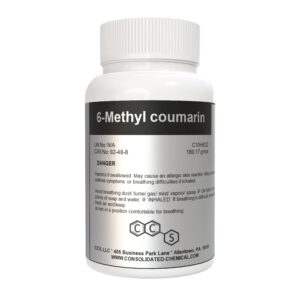
6-Methyl Coumarin | High-Purity Aroma & Industrial Compound
Price range: $12.99 through $19.99 Select options This product has multiple variants. The options may be chosen on the product page -
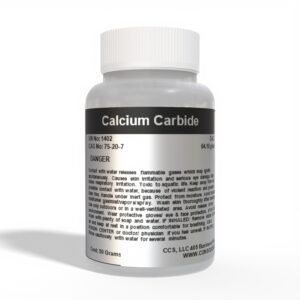
Calcium Carbide Lumps 50g
$12.00 Add to cart -
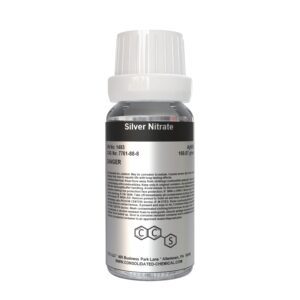
Silver Nitrate – Premium High-Purity Grade
Price range: $19.99 through $220.00 Select options This product has multiple variants. The options may be chosen on the product page -
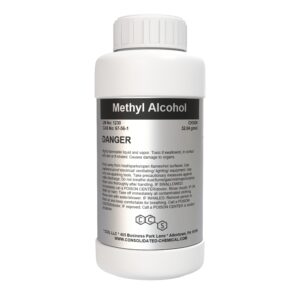
Methyl Alcohol (Methanol) – Premium Multi-Purpose Solvent
Price range: $12.99 through $79.99 Select options This product has multiple variants. The options may be chosen on the product page