Carvacrol | Natural Phenol for Flavor & Fragrance
Chemical Information:
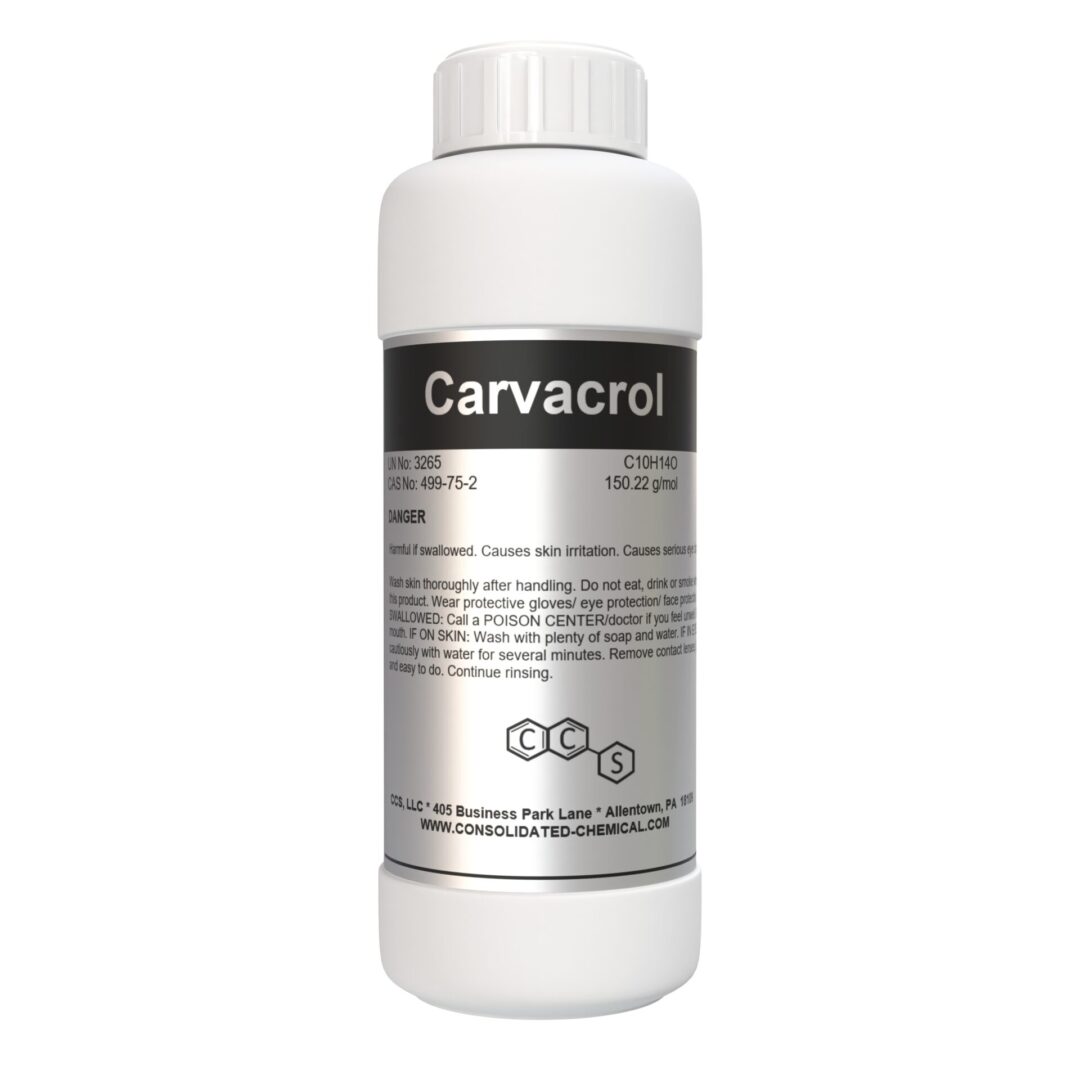
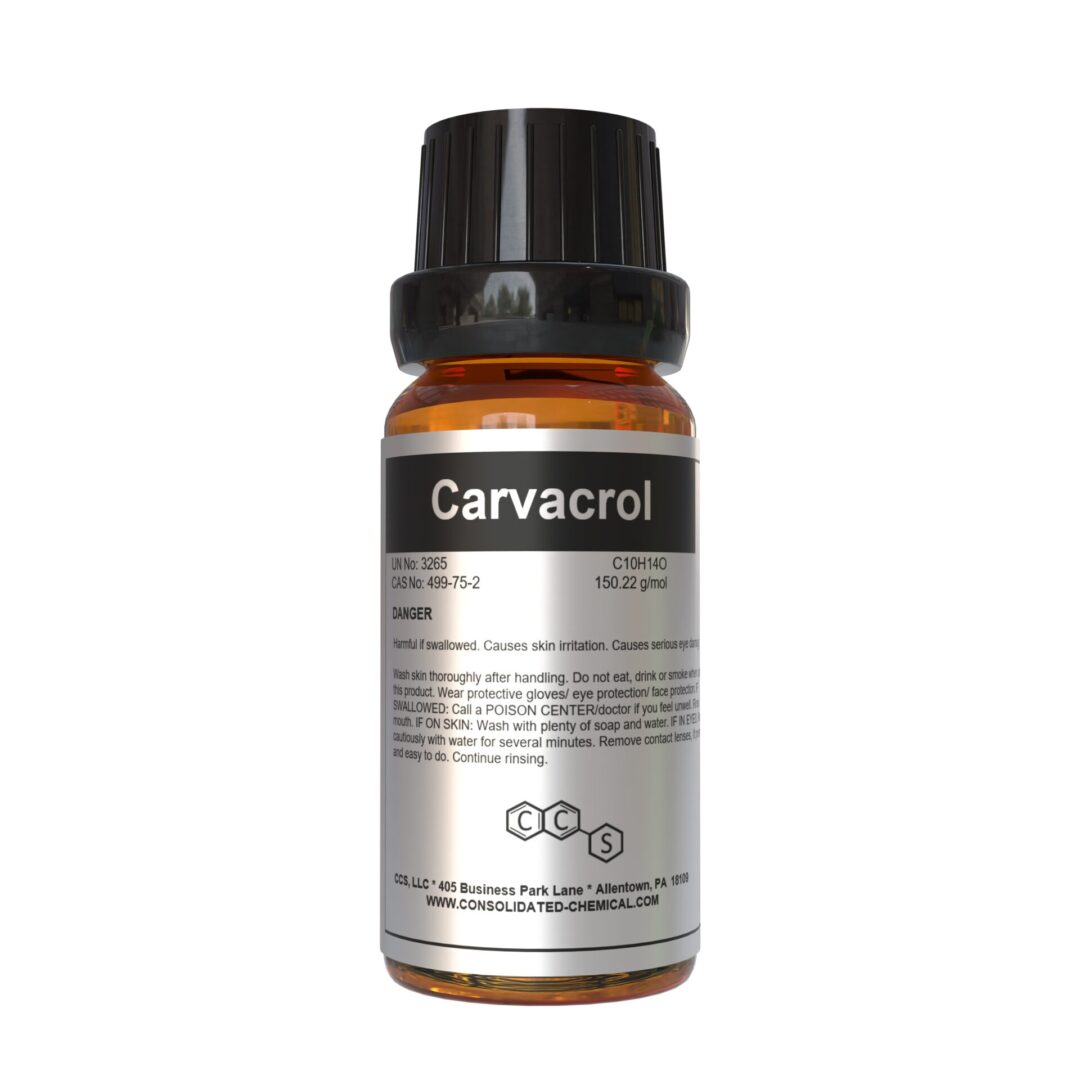
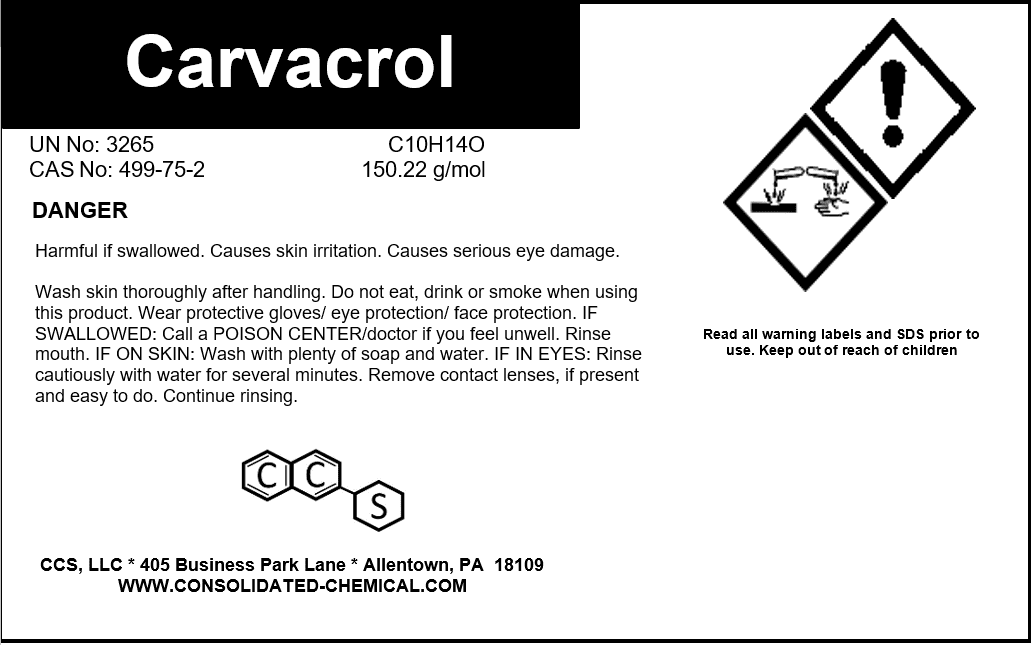
- Chemical Name: Carvacrol (5-Isopropyl-2-methylphenol)
- CAS Number: 499-75-2
- Molecular Formula: C₁₀H₁₄O
- Molecular Weight: 150.22 g/mol
- Appearance: Colorless to pale yellow liquid
- Odor: Strong, herbal, spicy, slightly medicinal
Physical & Chemical Properties:
- Boiling Point: 237-239°C
- Density: ~0.98 g/cm³ at 25°C
- Solubility: Insoluble in water, soluble in alcohol and organic solvents
- Refractive Index: 1.520 – 1.526
- Flash Point: ~101°C (214°F)
- Biodegradability: Readily biodegradable under standard conditions
Mechanical & Stability Properties:
- Combustibility: Flammable liquid
- Oxidation Stability: Stable under normal conditions; may degrade upon prolonged air and light exposure
Description
Carvacrol is a natural monoterpenoid phenol commonly found in oregano, thyme, and marjoram essential oils. It is widely used in food flavoring, fragrances, pharmaceuticals, and industrial applications due to its strong herbal, spicy aroma and antimicrobial properties. Known for its potent antibacterial and antifungal effects, Carvacrol is a key ingredient in food preservation, medicinal formulations, and eco-friendly cleaning products.
Applications of Carvacrol
1. Food & Beverage Industry
- Flavoring agent in spice blends and seasonings (commonly found in oregano, thyme, and marjoram)
- Preservative in food and beverages due to its strong antimicrobial and antifungal properties
- Used in meat, dairy, and baked goods to enhance flavor and extend shelf life
- Found in natural food additives and organic flavoring compounds
2. Fragrance & Cosmetic Industry
- Used in perfumes, deodorants, and personal care products for its herbal, spicy scent
- Found in lotions, creams, and soaps for its antimicrobial and skin-conditioning properties
- Commonly added to hair care products and oral hygiene formulations
- Used in natural deodorants and skincare treatments
3. Industrial & Cleaning Applications
- Ingredient in eco-friendly cleaning solutions and disinfectants
- Used in agriculture and animal feed to promote gut health and prevent microbial infections
- Found in pesticides and insect repellents for natural pest control
- Used in air purification products due to its antimicrobial effects
4. Research & Development
- Studied for its role in natural food preservation and shelf-life extension
- Used in biodegradable and sustainable product formulations
- Investigated for new pharmaceutical and therapeutic applications
Storage
- Storage Conditions: Store in a cool, dry, and well-ventilated area, away from heat, open flames, and direct sunlight.
- Container Sealing: Keep in tightly sealed containers to prevent oxidation and evaporation.
- Humidity Control: Store in a low-humidity environment to maintain purity and stability.
- Material Compatibility: Use glass, stainless steel, or HDPE containers for storage.
Handling Instructions:
- Personal Protective Equipment (PPE):
- Wear protective gloves, safety goggles, and a face mask when handling to avoid irritation.
- Avoid direct skin or eye contact as the product is highly concentrated and pungent.
- Ventilation:
- Handle in a well-ventilated area or under an appropriate fume hood to avoid inhaling fumes.
- Spill Management:
- In case of spills, use absorbent materials like sand or cloth to clean up immediately.
- Avoid water, as it can spread the product and worsen the spill area.
- First Aid:
- Skin Contact: Wash immediately with plenty of soap and cool water. Avoid hot water, as it may intensify irritation.
- Eye Contact: Rinse eyes thoroughly with clean water for at least 15 minutes and seek medical attention.
- Inhalation: Move to fresh air immediately. Seek medical attention if irritation persists.
- Warnings:
- Do not ingest.
- Keep away from children and pets.
Safety
- Hazard Classification: Flammable liquid, may cause skin and eye irritation.
- Inhalation Risk: Avoid inhaling vapors; prolonged exposure may cause respiratory irritation.
- First Aid Measures:
- Inhalation: Move to fresh air. Seek medical attention if breathing difficulties occur.
- Skin Contact: Wash with soap and water. Remove contaminated clothing.
- Eye Contact: Rinse cautiously with water for several minutes. Seek medical attention if irritation persists.
- Ingestion: Do not induce vomiting. Rinse mouth and seek immediate medical attention.
- Fire Hazard: Keep away from ignition sources. Use CO₂, foam, or dry chemical extinguishers in case of fire.
Additional information
| Size | 30mL (1 Fl Oz), 100mL (3.3 Fl Oz) |
|---|
Related products
-

Hydrochloric Acid 37% Premium ACS Reagent Grade
Price range: $14.99 through $24.99 Select options This product has multiple variants. The options may be chosen on the product page -
N-Heptane – High Purity Bestine Thinner
Price range: $14.00 through $69.99 Select options This product has multiple variants. The options may be chosen on the product page -
Monopotassium Phosphate (MKP) – Food Grade
Price range: $24.99 through $34.99 Select options This product has multiple variants. The options may be chosen on the product page -
Propylene Carbonate (PC) – High Purity Solvent
Price range: $13.99 through $440.00 Select options This product has multiple variants. The options may be chosen on the product page