

Cinnamic Alcohol Synthetic | Fragrance & Flavor Intermediate
Price range: $13.99 through $39.99
Chemical Information
-
Name: Cinnamic Alcohol (Synthetic)
-
CAS Number: 104-54-1
-
Molecular Formula: C<sub>9</sub>H<sub>10</sub>O
-
Molecular Weight: 134.18 g/mol
-
Appearance: Colorless to pale yellow liquid or crystalline solid
-
Odor: Sweet, balsamic, floral (hyacinth-like)
Physical & Chemical Properties
-
Melting Point: 33–35 °C
-
Boiling Point: 260–261 °C
-
Density: ~1.04 g/cm³ at 25 °C
-
Solubility: Slightly soluble in water, soluble in alcohols and most organic solvents
-
Refractive Index: ~1.582 at 20 °C
-
Flash Point: ~127 °C (closed cup)
-
Viscosity: Moderate
-
pH: Neutral
-
Stability: Stable under normal conditions
Mechanical & Stability Properties
-
Combustibility: Combustible
-
Shelf Life: 24 months (unopened container, proper storage)
-
Oxidation Sensitivity: May oxidize slowly in air
Description
Cinnamic Alcohol Synthetic is a colorless to pale yellow liquid or crystalline solid with a warm, sweet, floral odor reminiscent of hyacinth and balsam. Synthetically produced for consistency and purity, it is widely used in the fragrance, cosmetic, and pharmaceutical industries as an intermediate, aroma compound, and fixative. Known for its stability and mild scent, Cinnamic Alcohol is a key component in a wide range of perfumery and flavor formulations.
Applications
Cosmetics & Personal Care
- Fragrance Ingredient: Widely used in perfumes, lotions, and deodorants for its sweet, floral, and balsamic aroma.
- Regulatory Compliance:
- IFRA (International Fragrance Association): Permits cinnamic alcohol in fragrance formulations but imposes concentration limits due to potential skin sensitization.
- EU Cosmetics Regulation (EC No. 1223/2009): Requires labeling if cinnamic alcohol exceeds 0.001% in leave-on products or 0.01% in rinse-off products.
- U.S. FDA: Recognizes cinnamic alcohol as a safe cosmetic ingredient when used according to good manufacturing practices.
Food & Flavoring
- Flavoring Agent: Approved for use as a flavor compound in trace amounts.
- GRAS Status: Listed by the Flavor and Extract Manufacturers Association (FEMA No. 2294) as Generally Recognized As Safe for use in food flavorings.
Industrial & Manufacturing Use
- Raw Material for Fine Chemicals: Used in the production of cinnamic acid, cinnamaldehyde, and specialty polymers.
Storage, Handling & Safety
Storage
Store in a tightly sealed container in a cool, dry, well-ventilated area away from light, heat, and strong oxidizers. Recommended storage temperature: 15–25 °C.
Handling Instructions:
- Personal Protective Equipment (PPE):
- Wear protective gloves, safety goggles, and a face mask when handling to avoid irritation.
- Avoid direct skin or eye contact as the product is highly concentrated and pungent.
- Ventilation:
- Handle in a well-ventilated area or under an appropriate fume hood to avoid inhaling fumes.
- Spill Management:
- In case of spills, use absorbent materials like sand or cloth to clean up immediately.
- Avoid water, as it can spread the product and worsen the spill area.
- First Aid:
- Skin Contact: Wash immediately with plenty of soap and cool water. Avoid hot water, as it may intensify irritation.
- Eye Contact: Rinse eyes thoroughly with clean water for at least 15 minutes and seek medical attention.
- Inhalation: Move to fresh air immediately. Seek medical attention if irritation persists.
- Warnings:
- Do not ingest.
- Keep away from children and pets.
Additional information
| Size | 100mL (3.3 Fl Oz), 250mL (8 Fl Oz), 500mL (16 Fl Oz ), 1000mL (32 Fl Oz ) |
|---|
Related products
-

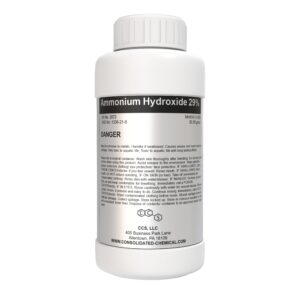
Ammonium Hydroxide 29% – Premium Aqueous Solution
Price range: $14.99 through $29.99 Select options This product has multiple variants. The options may be chosen on the product page -
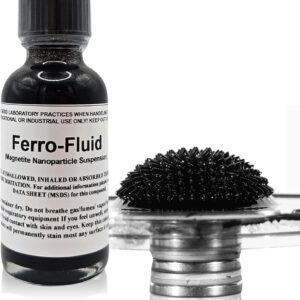
Ferrofluid Magnetic Liquid
Price range: $12.00 through $260.00 Select options This product has multiple variants. The options may be chosen on the product page -
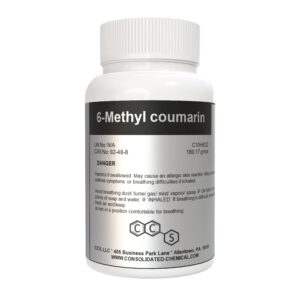
6-Methyl Coumarin | High-Purity Aroma & Industrial Compound
Price range: $12.99 through $19.99 Select options This product has multiple variants. The options may be chosen on the product page -
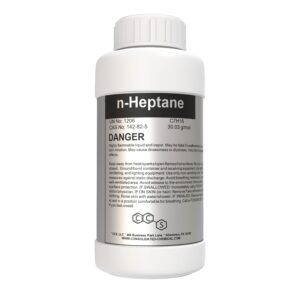
N-Heptane – High Purity Bestine Thinner
Price range: $14.00 through $69.99 Select options This product has multiple variants. The options may be chosen on the product page